Newsletter Subscribe
Enter your email address below and subscribe to our newsletter
Enter your email address below and subscribe to our newsletter

 ByJohn A
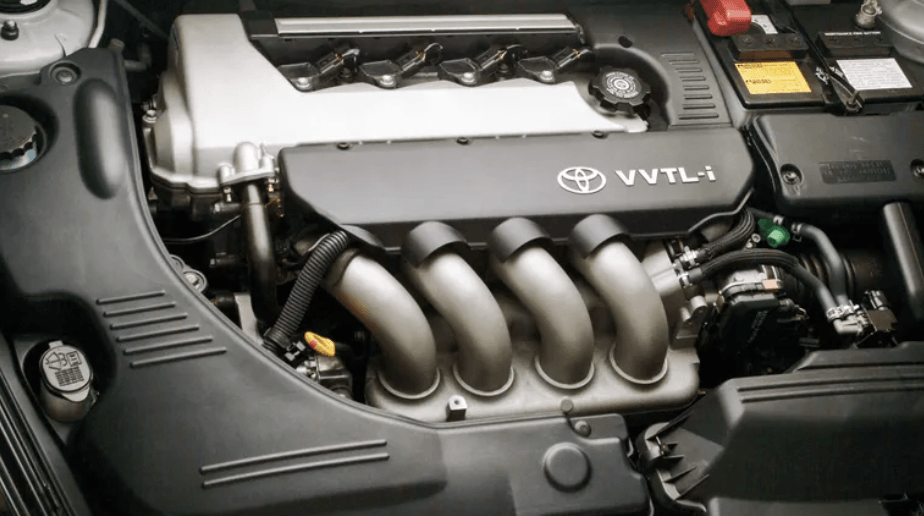
Few manufacturers inspire the kind of loyalty Toyota does among people who actually work on cars. Ask a mechanic which engines they trust to run past 200,000 miles with basic care, and Toyota units will dominate the conversation. That reputation was not handed to the company; it was earned through decades of conservative engineering, generous over-building, and a refusal to chase performance at the expense of longevity. This is a tour through the Toyota engines that built that legend and why so many builders and daily drivers seek them out.
Before looking at specific engines, it helps to understand what makes Toyota’s approach distinctive. The company has historically favored proven designs over experimental ones, refining a good concept across multiple generations rather than reinventing it. Tolerances tend to be generous, cooling is usually robust, and the engines are often built with more strength than their factory output demands.
That last point matters enormously. An engine designed to comfortably handle far more stress than it will ever see in normal driving simply lasts longer. It also means many Toyota engines have substantial headroom for those who want to modify them, which is a large part of why they became favorites in the tuning world. Reliability and tunability rarely coexist, but Toyota managed to deliver both.
No discussion of Toyota engines is complete without the JZ family, and the 2JZ-GTE in particular. This 3.0-liter twin-turbocharged inline-six became one of the most revered engines ever produced, celebrated for a bottom end so strong it could handle enormous power increases on stock internals. It powered the Supra to legendary status and remains a holy grail for builders chasing big numbers reliably. Its naturally aspirated sibling, the 2JZ-GE, offered much of the same durability in a more accessible package.
The earlier 1JZ, a 2.5-liter version of the same basic design, earned its own devoted following. Smoother and lighter than the 2JZ, it became a popular swap choice in its own right. Together, the JZ engines defined an era and cemented Toyota’s status among performance enthusiasts.
Not every legendary Toyota engine has six cylinders. The 3S-GTE, a turbocharged 2.0-liter four, powered rally-bred models and developed a strong reputation for taking abuse. It offered accessible performance and responded well to modification, making it a favorite for those wanting turbocharged fun without the bulk of a six.
On the naturally aspirated side, the 4A-GE, a high-revving 1.6-liter, became beloved for its eager character and motorsport pedigree. It was never about raw power; it was about the joy of a willing, free-revving engine that encouraged you to use every bit of the rev range. Enthusiasts still swap these into lightweight chassis to recapture that experience.
For every celebrated performance engine, Toyota built dozens of unglamorous units that simply refuse to die. Engines like the various four-cylinders found in Camrys and Corollas over the years are the reason Toyota’s reliability reputation reaches ordinary drivers, not just enthusiasts. These are the engines that commute hundreds of thousands of miles with nothing more than oil changes and the occasional timing service.
For someone replacing a tired daily-driver motor, these workhorses are exactly what they want: a dependable, low-drama unit that gets them back on the road affordably. The appeal here is not excitement but confidence, the knowledge that the replacement will keep going long after the swap.
Many of these engines, whether the celebrated performance units or the humble commuter motors, are sought after as imports from Japan. The reason ties back to Japan’s vehicle inspection system, which encourages owners to retire cars relatively early. Engines pulled from these vehicles frequently carry low mileage for their age, which is a significant advantage when you are dropping one into a car you intend to keep.
For builders, imports also open access to specifications and variants that were never officially sold in other markets. For daily drivers, they offer a low-mileage replacement at a reasonable cost. Suppliers that specialize in Toyota JDM engines focus on sourcing, inspecting, and shipping these units so buyers can find the specific engine code they need without hunting through junkyards.
Even when buying a Toyota engine with a strong reputation, a few checks protect your investment. Ask the seller for the mileage and how it was verified, since documented low mileage is a large part of the value proposition. Request details on any compression or leak-down testing performed, and clarify exactly what comes with the engine. Some units are sold as long blocks, others include accessories, intake components, or wiring, and knowing the difference prevents surprises during installation.
It is also worth researching the specific weak points of the engine you are considering, because even legendary designs have known maintenance items. Some Toyota engines use timing belts that must be replaced on a strict schedule, while others use chains. Certain generations have particular gaskets or seals that benefit from replacement while the engine is out and easily accessible. Addressing these items during the swap, rather than after, saves labor and prevents early disappointment. A little research into your chosen engine’s history turns a good purchase into a great one.
See also: Wrongful Death Claims Arising from Fatal Motor Vehicle Accidents in Yuma County
If you are considering one of these engines, the right choice depends entirely on your goal. A builder chasing big power reliably gravitates toward the 2JZ for its legendary bottom end. Someone wanting turbocharged four-cylinder fun looks at the 3S-GTE. An enthusiast restoring a lightweight sports car might want the character of a 4A-GE. And a driver who simply needs their car running again is best served by the dependable commuter engine that matches their chassis.
Whatever the goal, two rules apply universally. First, confirm compatibility by engine code, since not every Japanese-market unit bolts directly into every export chassis. Second, buy from a supplier who inspects units and stands behind them with a warranty. A legendary engine still needs to arrive in good health, and that comes down to sourcing.
What ties all of these engines together is a philosophy that valued longevity and honesty over flash. Toyota built engines that did what they promised for far longer than anyone had a right to expect, and in doing so created a catalog that enthusiasts and everyday drivers still draw from decades later. Whether you want a tuning platform capable of massive power or simply a dependable heart for your daily commute, the Toyota lineup offers a proven option.
The legend is real, and it is grounded in engineering rather than marketing. That is precisely why, all these years later, people still go out of their way to put a Toyota engine in their car. Understanding which unit fits your project, and sourcing it carefully, is how you tap into that legacy for yourself.