Newsletter Subscribe
Enter your email address below and subscribe to our newsletter
Enter your email address below and subscribe to our newsletter

 ByJohn A
Most people meet the term sideways. A friend mentions she has had something done, insists it was not filler, and then struggles to explain what it was. Her cheeks look the same shape. The skin just reads differently. Better light on it, somehow. That gap between what the treatment does and what people can say about it is where the confusion sits. Plenty of bookings get made on a vague impression rather than a clear idea.
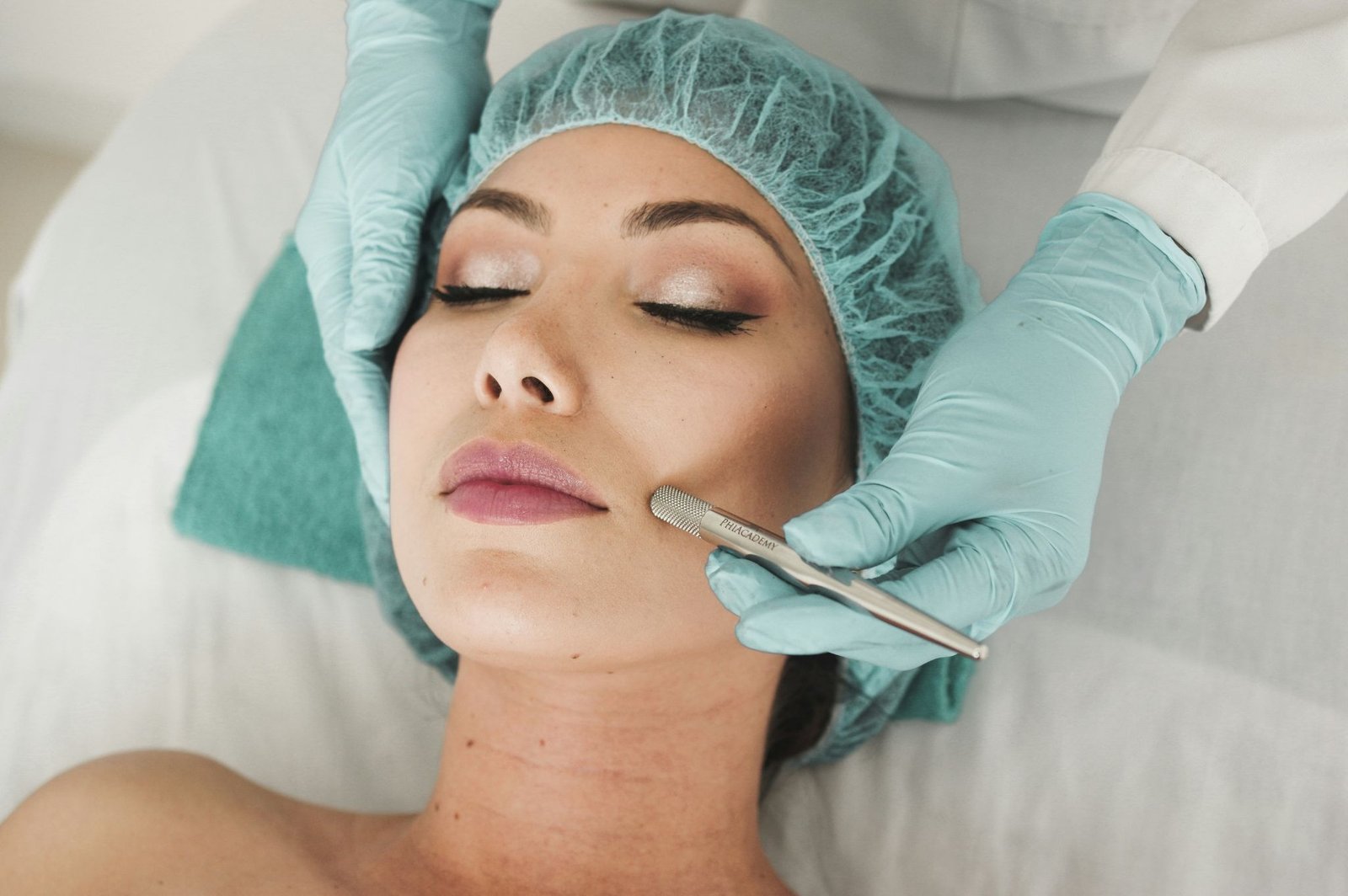
The distinction matters more than it sounds. Filler is placed in a defined spot to change a feature’s shape. A booster works across the area to hydrate the skin and prompt the tissue to behave differently over weeks. Someone searching for skin boosters after seeing a before-and-after on Instagram is usually looking for the second thing while picturing the first. The two are priced differently, injected differently, and go wrong in different ways.
Wimbledon and the wider south-west London area carry a long list of clinics offering this category. Some are doctor-led. Some are salons that have added injectables to their existing treatment menus. Nakedhealth is one of the West Wimbledon clinics offering skin booster treatments alongside other medical aesthetic services. Nothing here recommends any specific provider. What follows is what sits inside the category and what separates a considered booking from a risky one.
Skin boosters are a shorthand, not a single product. Underneath it sit compounds that work through different mechanisms and suit different skin concerns.
Hyaluronic acid boosters such as Profhilo hold water in the skin and encourage bio-remodeling over a course of sessions. Polynucleotides use purified DNA fragments, often derived from salmon or trout, and are aimed at cellular repair rather than hydration alone. Products like Jalupro pair hyaluronic acid with amino acids to support collagen production. A clinic that treats all three as interchangeable has not thought carefully about which one your skin needs.
This is the part that surprises people who assume the sector is regulated like dentistry. It is not. The House of Commons Library briefing on the regulation of non-surgical cosmetic procedures states the position without hedging. There are no specific controls on who can offer non-surgical cosmetic procedures in England. There is no requirement for a practitioner to complete any education or training first.
Read that twice before booking anything. The qualification of the person administering the injection is entirely voluntary at present. Whatever standard your practitioner meets, they chose to meet it.
Because the statutory floor is missing, the voluntary registers do most of the work. NHS guidance on choosing who will do your cosmetic procedure points to two of them. The Joint Council for Cosmetic Practitioners and Save Face, both accredited by the Professional Standards Authority. Registrants must meet training and insurance standards to remain listed.
Doctors and nurses carry their own statutory registers on top of that, at the General Medical Council and the Nursing and Midwifery Council. In England, clinics carrying out regulated activities must register with the Care Quality Commission, and their ratings are published. Checking all of this takes about five minutes and rules out a surprising number of listings.
NHS advice on injectables is blunt about the product itself. Ask for the name of what will be used and ask where it came from. A clinic that cannot answer both questions on the spot has a supply chain problem, a training problem, or both.
Counterfeit and unlicensed injectables reach the UK market, and they tend to land in settings where nobody is expected to ask. Named product, named supplier, batch details recorded in your notes. A clinic used to medical record-keeping will not find any of that an unusual request.
Booking a single session and judging the outcome two days later misreads what you have bought. Most booster protocols span multiple appointments spaced weeks apart, with results building up rather than appearing.
Profhilo protocols commonly involve two sessions four weeks apart, with a repeat treatment somewhere in the six- to nine-month range afterward to maintain the effect. Polynucleotide courses often run longer, three or four sessions at shorter intervals. So the number to compare across clinics is the cost of a full course plus maintenance, not the price of the first appointment. Clinics quoting only the entry number are not lying, but they are not answering the question either.
The government has confirmed it will bring in a licensing scheme for England, using powers under section 180 of the Health and Care Act 2022. Its August 2025 consultation response set out a red, amber and green model sorted by risk.
Green procedures would sit with any licensed practitioner meeting agreed standards. Amber procedures would require oversight from a named regulated healthcare professional, as the injector is not one. Red procedures, the highest-risk group, would be limited to qualified healthcare professionals working on CQC-registered premises. Local authorities would run licensing for the first two tiers.
See also: Different Types of Syringes: What Sets Them Apart
Worth knowing before rather than after. If a practitioner belongs to a voluntary register, that register will hear a complaint. If they are a registered doctor or nurse, their professional regulator can act on cosmetic work even though it sits outside their normal NHS role.
Beyond that sit subscription schemes. The Independent Sector Complaints Adjudication Service and the Cosmetic Redress Scheme both accept complaints, though only from practitioners who have signed up to them. A clinic that can name its complaints route without having to look it up has considered the possibility of a bad outcome. That is a better signal than any before-and-after gallery.