Newsletter Subscribe
Enter your email address below and subscribe to our newsletter
Enter your email address below and subscribe to our newsletter

 ByJohn A
A line on the face is the last thing to change, not the first. By the time someone notices it in the bathroom mirror, several other things have already shifted underneath. Fat pads have moved and shrunk. Bone has quietly remodeled around the eye socket and the jaw. The scaffolding in the dermis has thinned out. The line is the surface reporting on all of it, which is the part most people miss when they go looking for a treatment that erases lines. You can smooth the paper and leave the structure exactly as it was.
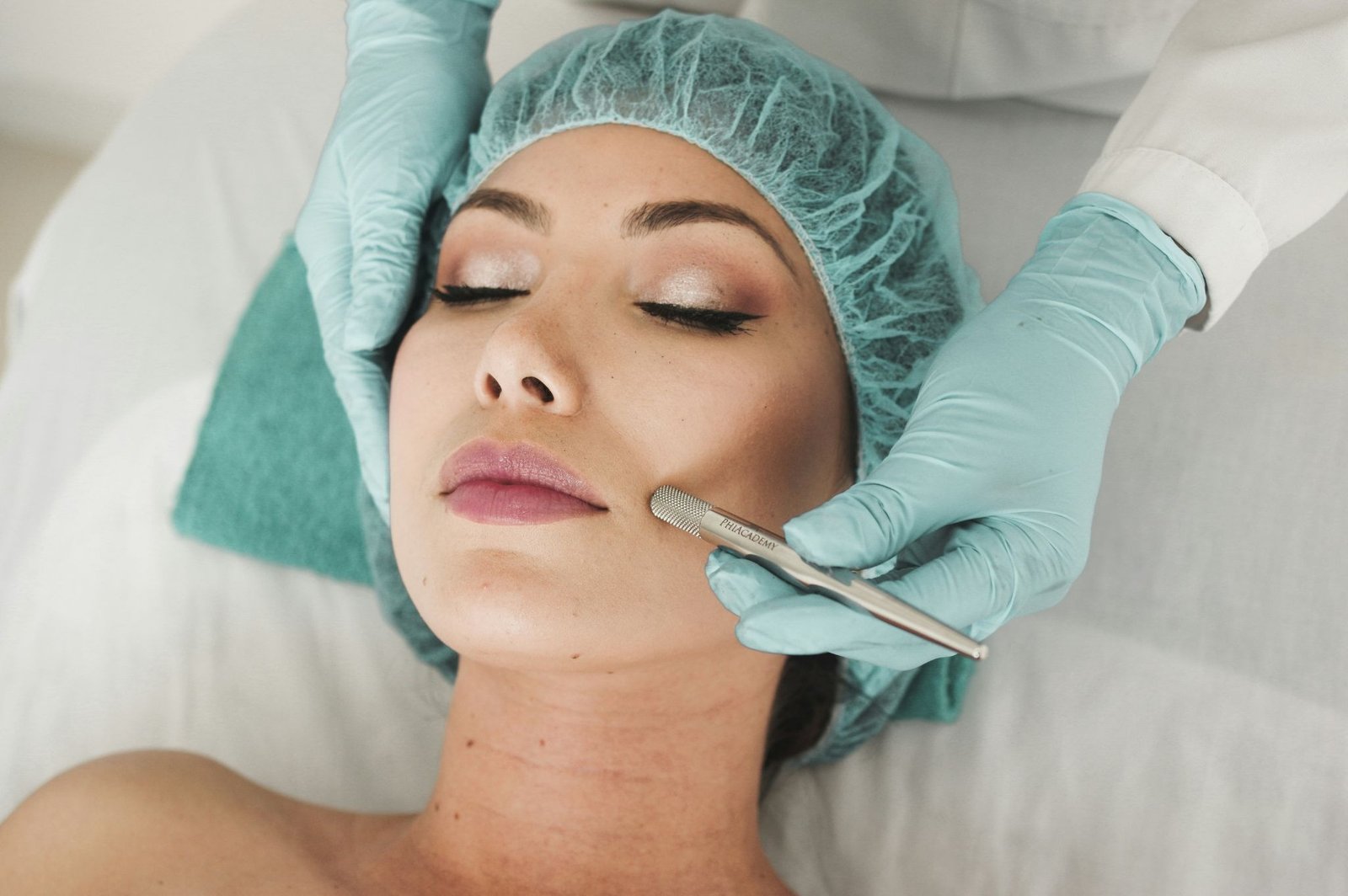
Understanding the layers changes what a reasonable plan looks like. Cosmetic dermatology works across all of them, sometimes on the surface, sometimes several millimeters down, sometimes on habits and skin health rather than on any procedure at all. The tools differ by depth. A resurfacing treatment reaches one layer. An injectable reaches another. Neither substitutes for the other, and running the wrong one on the wrong target produces the strange, slightly off results people point to when they say they can always tell.
Practices in North Miami approach this differently depending on who leads the work. At Del Campo Dermatology & Laser Institute, cosmetic treatments are performed or overseen by a board-certified dermatologist. That is one model among several available locally, and nothing here recommends a particular provider. What follows is the biology underlying the treatments and why the targeted layer determines whether anything works.
Picture five levels stacked from the outside in. Surface skin, the dermis below it, then fat, then muscle, then bone. Each one changes on its own timeline. The epidermis thins and turns over more slowly. The dermis loses its structural proteins. Facial fat compartments shrink in some areas and slide downward in others, so the midface empties while the jawline gains weight it did not have before. Bone resorbs around the orbital rim and the chin. Somebody at fifty is looking at five overlapping processes at once, which is the reason a single treatment rarely produces the change they pictured.
The National Institute on Aging’s overview of how skin changes with age puts the mechanism plainly. The outer layer thins, and the loss of collagen and elastin fibers leaves skin more fragile and prone to wrinkling. Those two proteins do different jobs. Collagen provides tensile strength, the sense of firmness under pressure. Elastin allows skin to return to its shape after movement, and once it degrades, it does not rebuild the way collagen can to some extent. Treatments that stimulate collagen production work by targeting a biological process that is still active. Nothing on the market meaningfully restores elastin, which is worth knowing before someone spends money chasing laxity that has passed a certain point.
Photoaging and chronological aging are separate processes that arrive looking similar. Compare the skin on someone’s inner arm to the skin on their forearm at the same age. Same person, same number of years, very different texture and pigment. The CDC’s sun safety guidance notes that UV rays reach skin on cloudy and cool days, and that they reflect off water, sand, and concrete. In a place like North Miami, that exposure accumulates across every ordinary errand, not only on beach days. Photoaging drives a large share of what patients bring to a cosmetic consultation. Sun protection is treatment, not an add-on.
Dynamic lines form from repeated muscle movement and appear when the face is animated. Static lines have etched in and remain when the face is at rest. A third category involves volume loss, where the skin folds because there is less underneath to hold it out. Three causes, three different responses. Relaxing a muscle helps the first. The second usually needs resurfacing or collagen stimulation, sometimes both across a series. The third needs volume restored at the correct depth. Treat a static line with a muscle relaxer and very little happens, which is a common source of disappointment that has nothing to do with the product.
Patients describe skin as sagging or drooping. Frequently, what they are seeing is a loss of support underneath rather than skin that stretched. The midface empties, the cheek descends, and a fold deepens where the tissue lands. Pulling on the surface does not correct a structural change. Restoring volume where it was lost usually improves the fold more predictably than working directly on the fold itself, and it does so without the overfilled look that comes from repeatedly injecting into the crease. This distinction between deflation and true laxity is one of the harder assessment calls in the field, and getting it wrong is visible.
Melanin-rich skin responds to inflammation with pigment. A treatment that is uneventful on one patient can leave months of post-inflammatory hyperpigmentation on another, which means device settings, treatment depth, and preparation before the procedure all shift depending on the skin being treated. Melasma complicates it further because heat alone can worsen it, so some laser approaches are poor candidates regardless of how well they perform on other concerns. In a city as diverse as this one, a provider’s daily experience with a range of skin tones is a practical safety question rather than a marketing detail.
See also: Neuro Physician in Ranchi Can Help when Seizures Raise More Questions than Answers
Preventing collagen breakdown costs less effort than rebuilding it. Maintaining skin barrier health beats repairing damage. This is not an argument for treating people in their twenties with everything available, since restraint is part of good practice, and doing less for longer often produces better outcomes than starting aggressively at thirty. It is an argument for early sun protection, for addressing conditions like melasma or acne. At the same time, they are active rather than only after scarring sets in, and they treat skin health as an ongoing baseline that procedures sit atop. Procedures work better on skin that is already being cared for.