Newsletter Subscribe
Enter your email address below and subscribe to our newsletter
Enter your email address below and subscribe to our newsletter

 ByJohn A
Modern power systems rely on advanced materials to ensure safe, stable, and efficient operation under demanding environmental conditions. Electrical equipment such as transformers, cables, switchgear, and insulation systems must operate reliably while facing challenges including moisture, temperature fluctuations, dust, and chemical exposure. Any degradation of insulating materials can lead to equipment failure, unexpected downtime, and significant maintenance costs.
Material selection plays an important role in improving the durability and reliability of electrical systems. Among advanced functional additives, hydrophobic fumed silica has gained attention because of its ability to enhance insulation materials, improve moisture resistance, and increase long-term performance.
The use of hydrophobic fumed silica in power systems provides several advantages because of its unique surface properties. Unlike traditional hydrophilic silica, hydrophobic fumed silica has a modified surface that repels water and reduces moisture-related problems. This makes it highly suitable for electrical applications where insulation stability and environmental resistance are essential.
Understanding how hydrophobic fumed silica improves power system components helps manufacturers develop more reliable electrical materials for modern energy infrastructure.
Understanding Hydrophobic Fumed Silica
What Is Hydrophobic Fumed Silica?
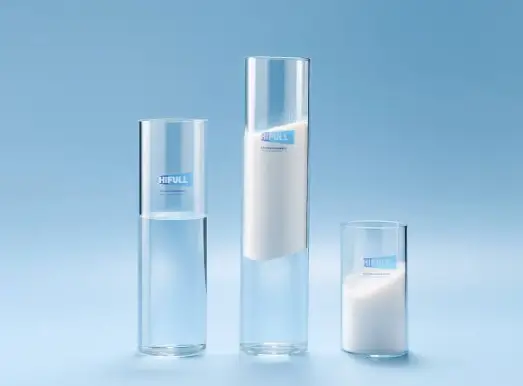
Hydrophobic fumed silica is a modified form of silicon dioxide produced by treating conventional fumed silica with hydrophobic surface groups. This treatment reduces the number of water-attracting hydroxyl groups on the silica surface.
As a result, the material becomes more resistant to moisture and better compatible with organic materials such as silicone, polymers, and electrical insulation compounds.
Key properties include:
These properties make hydrophobic fumed silica valuable in applications requiring protection against humidity and environmental stress.
Importance of Moisture Resistance in Power Systems
Challenges Caused by Moisture
Moisture is one of the major factors affecting electrical equipment performance. Water penetration can reduce insulation efficiency, accelerate aging, and increase the risk of electrical failures.
Common moisture-related problems include:
For this reason, electrical manufacturers require materials that can maintain stable performance even in humid environments.
Role of Hydrophobic Materials
Hydrophobic materials prevent water absorption and reduce moisture accumulation. In electrical applications, this helps maintain insulation properties and protects components from environmental damage.
Hydrophobic fumed silica contributes to these advantages by improving the water resistance of insulation systems and protective materials.
Applications of Hydrophobic Fumed Silica in Power Systems
Electrical Insulation Materials
Electrical insulation is one of the most important areas where hydrophobic fumed silica provides benefits.
Insulating materials must maintain high electrical resistance and mechanical stability throughout their service life. Moisture exposure can weaken these properties, leading to premature failure.
By incorporating hydrophobic fumed silica, manufacturers can improve:
This makes insulation systems more reliable in outdoor and high-voltage environments.
Silicone Rubber Insulators
Silicone rubber is widely used in outdoor electrical insulation because of its excellent weather resistance and flexibility. However, improving its mechanical strength and long-term stability remains an important goal.
Hydrophobic fumed silica acts as a reinforcing additive in silicone rubber formulations. It improves structural strength while maintaining the material’s natural water-repelling properties.
Applications include:
Transformer and Electrical Equipment Protection
Transformers and electrical equipment require materials that can withstand heat, humidity, and continuous operation.
Hydrophobic fumed silica can be used in protective compounds, sealants, and insulation materials to improve resistance against environmental conditions.
Better material performance helps reduce maintenance requirements and increases equipment lifespan.
Cable Insulation and Protective Layers
Power cables are exposed to various environmental challenges, including moisture, temperature changes, and mechanical stress.
Insulation materials containing hydrophobic fumed silica can provide improved protection by reducing water penetration and maintaining electrical performance.
This is particularly important for underground cables and outdoor power transmission systems.
Benefits of Hydrophobic Fumed Silica in Power Applications
Enhanced Moisture Resistance
The most important advantage of hydrophobic fumed silica is its ability to reduce water interaction.
By preventing moisture absorption, it helps electrical materials maintain stable performance in humid environments.
Improved Mechanical Strength
Electrical insulation materials must resist mechanical stress during installation and operation.
Hydrophobic fumed silica reinforces polymer structures, improving durability and resistance to physical damage.
Better Thermal Stability
Power systems often operate under high temperatures. Materials used in these systems must maintain their properties despite thermal stress.
Hydrophobic fumed silica contributes to improved thermal stability, helping insulation materials perform reliably over extended periods.
Longer Equipment Lifespan
By improving resistance against moisture, heat, and mechanical stress, hydrophobic fumed silica helps extend the service life of electrical components.
This reduces replacement frequency and lowers maintenance costs.
Comparison Between Hydrophilic and Hydrophobic Silica in Electrical Applications
Hydrophilic and hydrophobic fumed silica have different surface behaviors, which influence their suitability for power system applications.
| Feature | Hydrophilic Fumed Silica | Hydrophobic Fumed Silica |
|---|---|---|
| Water interaction | Absorbs moisture more easily | Repels moisture |
| Surface treatment | Natural silica surface | Chemically modified surface |
| Electrical suitability | Limited in moisture-sensitive systems | Excellent for insulation applications |
| Compatibility | Suitable for polar materials | Better with polymers and silicone materials |
| Main benefit | Thickening and reinforcement | Moisture resistance and durability |
For electrical systems exposed to humidity and outdoor conditions, hydrophobic fumed silica is generally preferred.
Factors Affecting Performance in Power Systems
Material Compatibility
The effectiveness of hydrophobic fumed silica depends on its compatibility with the base material.
Manufacturers must select suitable silica grades for silicone, polymer, or composite insulation systems.
Dispersion Quality
Uniform distribution of silica particles is essential for achieving maximum reinforcement and protection benefits.
Poor dispersion may reduce electrical and mechanical performance.
See also: Different Types of Syringes: What Sets Them Apart
Operating Environment
The application environment influences material selection. Systems exposed to high humidity, temperature changes, and pollution require materials with stronger protective characteristics.
Companies interested in improving electrical material performance can explore hydrophobic fumed silica in power systems to understand its role in advanced insulation technologies.
Future Development of Hydrophobic Silica Technology
The demand for reliable energy infrastructure continues to increase worldwide. As power systems become more advanced, materials with improved durability and environmental resistance will become increasingly important.
Future research is expected to focus on developing enhanced silica formulations with better compatibility, improved processing performance, and stronger protection capabilities.
Hydrophobic fumed silica is likely to play an important role in next-generation electrical insulation systems, renewable energy equipment, and smart grid technologies.
FAQs
1. Why is hydrophobic fumed silica used in power systems?
Hydrophobic fumed silica is used because it improves moisture resistance, insulation stability, mechanical strength, and durability of electrical materials.
2. How does hydrophobic fumed silica improve insulation performance?
It reduces water absorption, strengthens polymer structures, and helps maintain electrical properties under challenging environmental conditions.
3. Is hydrophobic fumed silica suitable for outdoor electrical equipment?
Yes, its water-repellent properties make it suitable for outdoor applications exposed to humidity, rain, and environmental changes.
Hydrophobic fumed silica has become an important functional material for improving the reliability and performance of modern power systems. Its ability to resist moisture, reinforce insulation materials, and enhance thermal stability makes it highly valuable in electrical applications.
From silicone rubber insulators and cable systems to transformer protection materials, hydrophobic fumed silica supports the development of safer and more durable power infrastructure. As global energy demands continue to grow, advanced materials like hydrophobic fumed silica will remain essential for creating reliable electrical systems capable of operating under increasingly challenging conditions.