Newsletter Subscribe
Enter your email address below and subscribe to our newsletter
Enter your email address below and subscribe to our newsletter

 ByJohn A
Modern living spaces are evolving as homeowners place greater importance on comfort, style, functionality, and personal expression. Interior spaces are no longer viewed simply as rooms within a home. They have become environments that influence mood, creativity, productivity, and overall well-being. From calming color palettes to innovative design concepts, people are increasingly investing in thoughtful upgrades that improve the atmosphere and appearance of their indoor spaces.
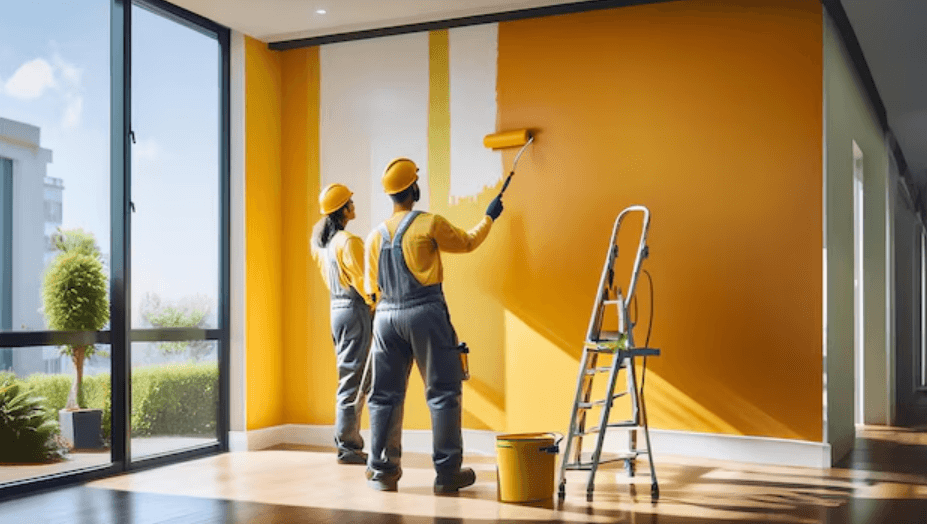
As homeowners continue exploring creative ways to refresh their properties, the demand for interior painting services has grown significantly among people seeking elegant, modern, and welcoming interiors. Facility Network understands the importance of beautifully maintained spaces and supports homeowners who want to create visually appealing environments that reflect both personality and comfort.
Homes have become multifunctional environments where people work, relax, entertain guests, and spend quality time with loved ones. Because of this shift, interior design choices now play a major role in shaping everyday experiences.
Well-designed interiors can help:
Modern homeowners increasingly recognize how thoughtful design decisions can positively influence daily life.
Colors have a powerful impact on emotions, energy levels, and perceptions. Homeowners now carefully select shades that create specific moods and atmospheres throughout their spaces.
Popular emotional influences of color include:
Understanding color psychology allows homeowners to create interiors that feel more intentional and inviting.
Minimalism remains one of the most influential trends in modern interior design. Homeowners increasingly prefer clean layouts, clutter-free environments, and simple aesthetics that create a sense of openness and tranquility.
Minimalist spaces often feature:
This design approach promotes calmness while helping spaces feel larger and more comfortable.
Nature-inspired interiors continue growing in popularity as homeowners seek environments that feel peaceful and refreshing. Incorporating natural elements helps create stronger connections between indoor spaces and the outdoors.
Nature-focused design features may include:
These features contribute to warm and relaxing living environments.
Modern homeowners want interiors that reflect their lifestyles, personalities, and interests. Personalization has become one of the most important aspects of contemporary home design.
Personalized interior spaces often include:
This trend encourages homeowners to create spaces that feel authentic and emotionally meaningful.
Accent walls continue to be a popular way to introduce personality and visual depth into a room. They help create focal points without overwhelming the overall design aesthetic.
Accent wall ideas may involve:
These creative elements can dramatically transform the appearance of indoor spaces.
Lighting has become an essential part of modern interior design because it directly affects how spaces feel and function. Well-planned lighting can improve mood, highlight décor, and enhance comfort.
Important lighting elements include:
Balanced lighting helps create more attractive and comfortable interiors.
Modern lifestyles require homes to support multiple activities within the same environment. As a result, multifunctional spaces have become increasingly important in interior design planning.
Multi-purpose spaces often support:
Flexible interior layouts help homeowners adapt spaces to changing daily needs.
Environmental awareness has influenced many homeowners to embrace sustainable interior design practices. Eco-conscious design choices contribute to healthier living environments while supporting responsible consumption.
Sustainable design practices may include:
These approaches reflect growing interest in responsible and sustainable living.
See also: Discover Smart International Travel Trends for Indian Getaways
Texture adds depth, warmth, and personality to interior spaces. Modern design trends increasingly combine various materials and finishes to create visually engaging environments.
Popular texture combinations may include:
These elements help create interiors that feel balanced and visually dynamic.
Remote and hybrid work arrangements have transformed how homeowners design office spaces within their homes. Modern home offices now focus equally on productivity and comfort.
Well-designed home offices often include:
Thoughtful workspace design can improve focus and overall work satisfaction.
Technology integration has become an important part of modern interior planning. Smart home features now blend convenience with stylish design aesthetics.
Popular smart home elements include:
These innovations support both functionality and modern living preferences.
Open concept layouts continue attracting homeowners who value spaciousness and social interaction. This design approach encourages better flow between different areas of the home.
Benefits of open concept interiors include:
This trend remains highly influential in contemporary residential design.
Wellness-centered design has become increasingly important as people prioritize mental and physical well-being within their homes. Interior environments now aim to support relaxation and emotional comfort.
Wellness-oriented interiors may include:
These design strategies contribute to healthier and more restorative living spaces.
Artwork and decorative details continue playing a major role in modern home design. Artistic expression helps create emotionally engaging interiors while adding individuality to each room.
Creative design additions may involve:
These elements help transform houses into more personalized and expressive homes.
Interior design will likely continue evolving around comfort, sustainability, technology, and personalization. Homeowners are expected to seek even more adaptable and emotionally supportive living environments.
Future interior design trends may include:
These developments may redefine how people experience and interact with their homes.
Modern interior design continues transforming through creativity, functionality, sustainability, and personal expression. Homeowners today seek more than visually attractive spaces. They want environments that support comfort, productivity, relaxation, and emotional well-being. Thoughtful design choices help create interiors that feel welcoming, balanced, and inspiring for everyday living.
Facility Network recognizes the importance of maintaining stylish and comfortable indoor spaces that align with modern lifestyle expectations. By understanding current design trends and evolving homeowner preferences, individuals can create interiors that feel both timeless and deeply personal.
For expert guidance, personalized support, and professional assistance with your next interior transformation, contact us and explore smarter ways to enhance your living spaces.